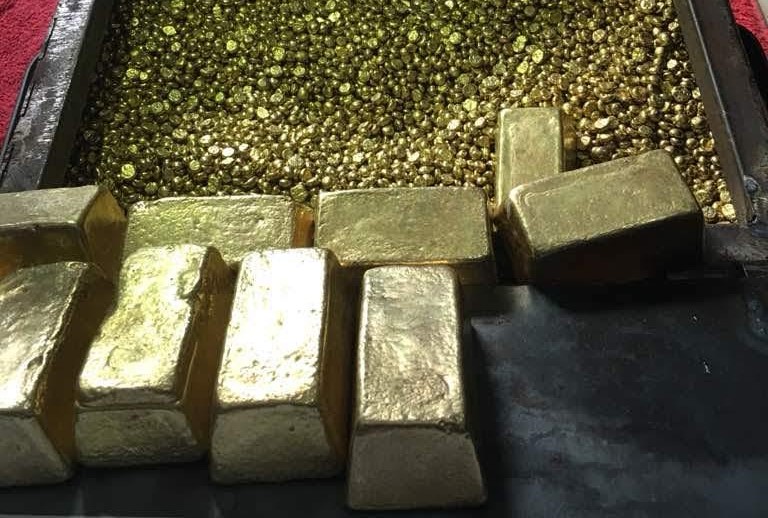

Buying and selling physical gold can be a profitable investment, but understanding the capital gains tax on physical gold sales is just as important as knowing the market price. Whether you are an individual investor, a licensed gold trader or a mining business in Uganda, tax obligations can affect the amount you ultimately keep from a sale.
Uganda has become one of East Africa’s leading gold trading hubs, attracting local and international investors. As the market continues to grow, sellers need to understand the country’s gold tax rules, reporting requirements and how taxes on gold sales apply in different situations. While Uganda does not have a separate capital gains tax law like some countries, gains from qualifying business assets are generally taxed under the Income Tax Act as part of taxable income rather than through a standalone capital gains tax system.
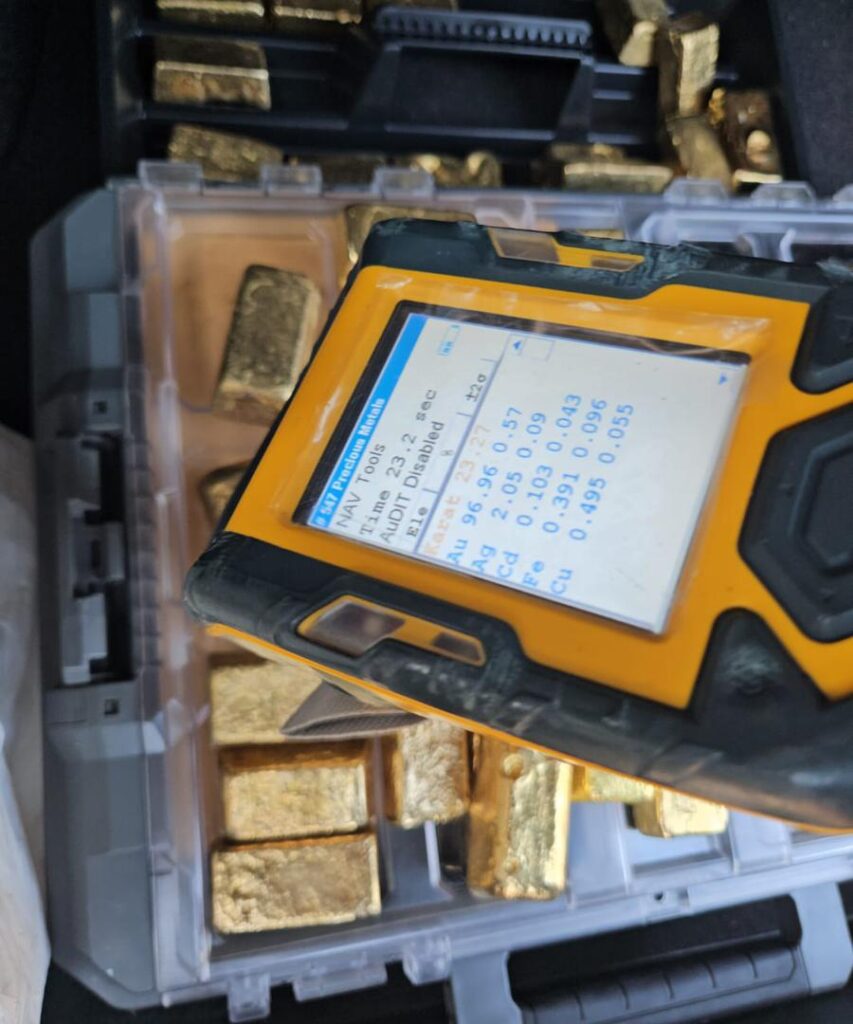
If you are planning to sell investment bullion, refine gold for export or source gold from Uganda, working with an experienced partner such as East Gold Trading Company helps ensure that every transaction is conducted professionally and in line with Ugandan regulations. East Gold arranges verified gold sourcing, certified refining to 99.9% purity level insured export logistics and export permit processing, making the buying and selling process straightforward for both local and international clients. We as well teach and inform buyers on how to verify gold bullion.
Learn how capital gains tax on physical gold sales works in Uganda, including tax rates, holding periods, exemptions and compliance rules.
What is capital gains tax on physical gold?
Capital gains tax on physical gold sales refers to the tax that may apply when physical gold is sold for more than its acquisition cost, resulting in a profit.
In Uganda, there is no standalone capital gains tax law. Instead, qualifying gains from the disposal of business assets are generally included in taxable income under the Income Tax Act and taxed using the applicable individual income tax rates or the standard corporate income tax rate for companies.
The taxable gain is generally determined by subtracting the allowable cost base, including eligible acquisition costs and certain capital expenditures from the amount received on disposal. If the asset qualifies for inflation adjustment after being held for at least twelve months, the adjusted cost base may reduce the taxable gain before tax is calculated.
Not every sale of physical gold is treated the same way. Whether taxes on gold sales apply depends on factors such as the nature of the transaction, whether the seller is carrying on a business and how the asset is classified under Ugandan tax law.
Table of Contents
Gold Tax Rules In Uganda
Understanding Uganda’s capital gains tax on physical gold sales begins with knowing how Uganda’s Income Tax Act treats gains arising from the sale of business assets. Instead of imposing a separate capital gains tax, Uganda generally includes qualifying gains within taxable income. The applicable tax depends on whether the seller is operating as a business or making a personal disposal, as well as the nature of the asset being sold.
For anyone dealing in investment bullion, this means that keeping accurate purchase records, refining certificates, invoices and sale documentation is essential. Proper records make it easier to determine any taxable gain and demonstrate compliance with Uganda Revenue Authority (URA) requirements.
Business And Commercial Sales
Businesses that regularly buy, refine, source or sell gold are generally taxed under Uganda’s Income Tax Act. When a company disposes of qualifying business assets, the resulting gain is added to its gross income and is normally taxed at Uganda’s standard corporate income tax rate of 30%. Individual business owners who dispose of business assets include those gains in their business income and pay tax according to the applicable individual income tax rates.
Resident individuals currently benefit from an annual tax-free threshold of UGX 2,820,000 (approximately USD 760 depending on the prevailing exchange rate). Income above that threshold is taxed progressively, generally at 10%, 20% and 30%, with an additional charge applying to very high annual incomes above the statutory threshold.
For companies engaged in commercial gold trading, understanding the 30% corporate tax rate in Uganda is an important part of calculating the potential tax liability on taxable business profits.
For example, if a licensed gold trading company purchases refined bullion, stores it as part of its commercial inventory and later sells it at a profit, that profit may become part of the company’s taxable income. Likewise, a registered gold dealer operating as an individual would generally include qualifying gains in business income when calculating annual taxes.

Businesses involved in gold exports should also remember that exporting precious minerals requires compliance with licensing requirements, customs procedures and any applicable government fees or export-related charges. Depending on the type of gold being exported, regulatory charges or export levies may apply under Uganda’s mining and export framework. These charges are separate from income tax and should be factored into the total cost of a transaction before calculating profitability. The exact amount varies according to the applicable regulations and the nature of the export, so exporters should confirm the latest requirements before shipment.
Because international gold transactions often involve significant values, many exporters prefer working with experienced companies such as East Gold Trading Company. East Gold assists clients with verified sourcing, internationally accepted refining to 99.9% purity, export permit processing, documentation and insured logistics helping reduce compliance risks throughout the export process.
Export Levy
Uganda’s gold export sector is regulated through licensing and customs procedures designed to promote responsible mineral trade. In addition to normal business taxation, exporters may be required to pay government-imposed export fees or levies depending on the applicable regulations and the classification of the exported gold.
Since regulatory charges may change over time, businesses should verify current rates with the relevant authorities before completing any shipment. Failing to account for these costs can reduce expected profits and delay exports. Working with an experienced export partner helps ensure that documentation, customs declarations and financial obligations are completed correctly before gold leaves Uganda.
Casual/Personal Sales
Not every gold sale is part of a commercial business, some people buy investment bullion for personal wealth preservation and later decide to sell it after several years and others may inherit physical gold or dispose of personal holdings when market prices rise.

Whether these casual or personal sales create taxable income depends on the specific facts of the transaction, including whether the activity amounts to carrying on a business, the type of asset sold and how Uganda’s Income Tax Act applies to that particular disposal. Simply selling personal property does not automatically mean the same tax treatment applies as it would for a registered commercial gold business. Because every situation is different, sellers should seek professional tax advice whenever significant amounts are involved.
For investors planning future capital gains tax on physical gold sales, maintaining complete purchase receipts, assay certificates, refining documents and sales records makes it much easier to demonstrate the original acquisition cost and calculate any taxable gain accurately.
Short-Term Vs Long-Term Holding Periods
One of the most common questions investors ask before selling bullion is whether the length of time they hold their investment changes the amount of capital gains tax on physical gold sales they must pay. In many countries, such as the United States, Canada, Australia and the United Kingdom, tax systems distinguish between short-term and long-term holdings. Investors who keep certain assets for a longer period may qualify for lower tax rates or other tax advantages.
Uganda’s approach is different.
Under Uganda’s Income Tax Act, there is no separate long-term capital gains tax regime that automatically reduces the tax rate simply because you have owned physical gold for several years. Instead, qualifying gains are generally taxed as part of business income or gross income, depending on the nature of the taxpayer and the transaction.
This means that if two licensed gold trading businesses sell similar quantities of bullion, the applicable tax treatment is not determined solely by whether one company held the gold for six months and another held it for three years, instead, the tax outcome depends on how the asset is classified under the Income Tax Act and whether the gain forms part of taxable business income.
That said, the holding period is still important.
Where a qualifying business asset is sold after at least 12 months, Uganda allows the cost base to be adjusted for inflation using the Consumer Price Index (CPI). This inflation adjustment increases the allowable cost base before calculating the taxable gain, which may reduce the amount of taxable profit compared to an identical asset sold within twelve months. While this is not a lower tax rate, it can reduce the effective tax payable in certain circumstances.
For example, imagine a business purchases investment bullion for USD 50,000 and sells it eighteen months later for USD 62,000. Before calculating the taxable gain, the original purchase cost may be adjusted using the prescribed inflation factor. As a result, the taxable profit could be lower than the simple difference between the purchase and selling price.
This distinction is important because many international investors assume Uganda follows the same short-term and long-term tax structure used elsewhere. Understanding these gold tax rules helps investors plan transactions more effectively and avoid unexpected tax liabilities.
Whether you intend to hold bullion for several months or several years, maintaining accurate documentation remains one of the most important compliance practices. Keep copies of purchase invoices, assay reports, refining certificates, transport records, export documentation, insurance documents and sales agreements. These records help establish the acquisition cost and support the calculation of any taxable gain if requested by the Uganda Revenue Authority.
Professional investors should also review their portfolios regularly instead of waiting until a sale is imminent. Monitoring acquisition costs, market prices, storage expenses and compliance obligations throughout the investment period makes future reporting much easier.
Do you pay tax on Gold Jewelry Vs Investment Bullion?
It depends on why the gold is owned and how it is sold. Gold jewelry is often purchased for personal use rather than investment. A person selling a few personal jewelry items does not automatically fall under the same tax treatment as a licensed bullion trader or commercial gold dealer. In Uganda, the Uganda Revenue Authority considers the facts surrounding each transaction, including whether the activity constitutes carrying on a business.
Investment bullion including refined gold bars, coins and investment-grade bullion is commonly acquired for wealth preservation or investment purposes. When investment bullion forms part of a commercial trading business, any qualifying gains are generally treated as business income under Uganda’s Income Tax Act.
For investors, miners, exporters and institutional buyers, compliance becomes even more important because high-value transactions often involve refining certificates, export permits, customs documentation and detailed financial records. Working with an experienced company such as East Gold Trading Company helps ensure these requirements are handled correctly. From verified sourcing and refining gold to 99.9% purity to export permit processing and insured international logistics, East Gold supports clients through every stage of a compliant gold transaction.
Understanding the difference between personal disposals and commercial bullion trading enables investors to make informed decisions, reduce compliance risks and better estimate the after-tax return from every capital gains tax on physical gold sales transaction.
Maximize Your Return

Selling physical gold is not only about securing the highest market price. Your final return depends on several factors, including the quality of the gold, refining costs, transaction fees, export expenses, insurance and how applicable taxes are calculated. Understanding capital gains tax on physical gold sales before completing a transaction allows you to estimate your net profit more accurately and avoid unexpected compliance issues.
Choosing the right trading partner also plays a significant role in protecting your investment. Working with a reputable company reduces the risk of pricing disputes, delayed payments, incomplete documentation or non-compliance with regulatory requirements. This is especially important for international buyers and sellers who must satisfy both Ugandan regulations and the import requirements of the destination country.
At East Gold Trading Company, we simplify every stage of the gold trading process. Whether you are an individual investor, mining company, bullion dealer or international buyer, our team provides professional support from the initial sourcing stage through to the final delivery of your gold.
Our services include:
- Certified gold sourcing from trusted suppliers in Uganda.
- Professional refining to 99.9% purity using internationally accepted standards.
- Assistance with export permit processing and regulatory documentation.
- Secure, insured export logistics for international deliveries.
- Reliable support for investors looking to buy or sell investment-grade physical gold.
These services help clients complete transactions efficiently while meeting applicable legal and regulatory requirements.
If you are buying gold as an investment, purchasing from a trusted supplier provides confidence that the bullion meets the declared purity and quality standards. Proper documentation also makes future resale easier because buyers and financial institutions often request evidence of origin, refining and ownership.
International investors should also remember that while Uganda has its own gold tax rules, the country where the gold is ultimately imported or where the investor is tax resident may impose additional reporting or tax obligations. Before completing large cross-border transactions, it is advisable to obtain professional tax and legal advice in both jurisdictions to ensure full compliance.
As Uganda’s gold industry continues to expand, transparency and compliance are becoming increasingly important for investors, refiners, exporters and commercial traders. Understanding capital gains tax on physical gold sales, maintaining accurate financial records and working with experienced professionals can help protect your investment while minimizing unnecessary risks.
Whether you are purchasing investment bullion, selling refined gold, sourcing gold from licensed suppliers or exporting precious metals to international markets, East Gold Trading Company is your trusted partner in Uganda. Our commitment to verified sourcing, certified refining, regulatory compliance, export permit processing and insured logistics enables clients to complete gold transactions with confidence.
When you are ready to buy, sell, refine, source or export physical gold, contact East Gold Trading Company. Our experienced team is ready to help you navigate Uganda’s gold market while ensuring every transaction is handled professionally, transparently and in compliance with the applicable legal requirements.